What to Expect From Your Granite Countertop
March 31, 2026
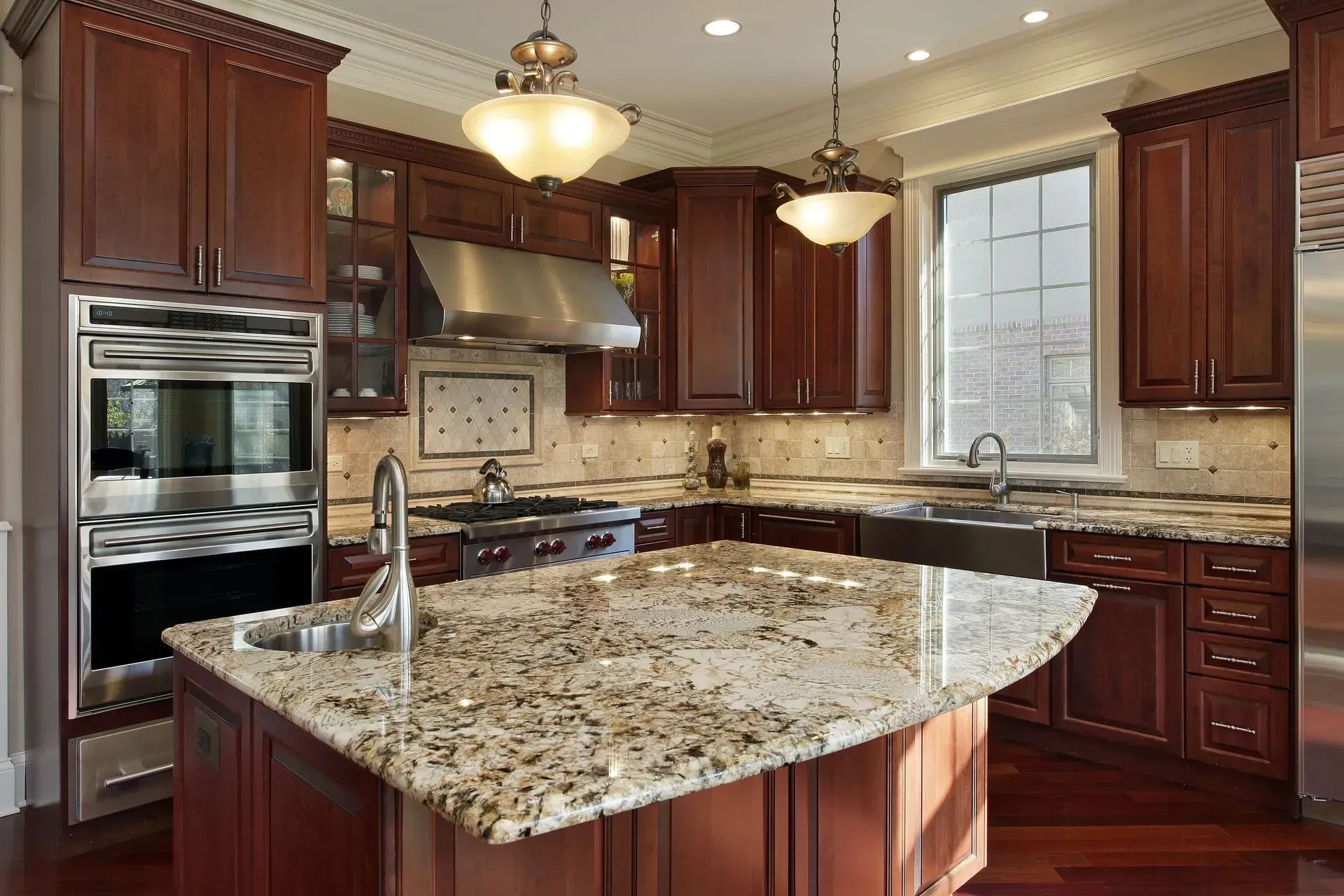
Granite countertops are a popular choice for homeowners due to their durability, aesthetic appeal, and value addition to your home. In this article, we will explore what you can expect from your granite countertop in terms of installation, maintenance, and overall experience.
Understanding Granite as a Material
The Composition of Granite
Granite is a natural stone composed primarily of quartz and feldspar, with smaller amounts of mica, amphiboles, and other minerals. Each of these components contributes to the unique appearance and characteristics of granite, making every slab distinct. The quartz provides hardness and durability, while the feldspar is responsible for the spectrum of colors found in different granite slabs. Mica adds to the stone's luster, contributing to the aesthetically pleasing glossy finish many homeowners desire. Understanding these components helps us appreciate why granite is a preferred material for countertops, known for its mixture of strength and beauty.
Natural Variations and Patterns
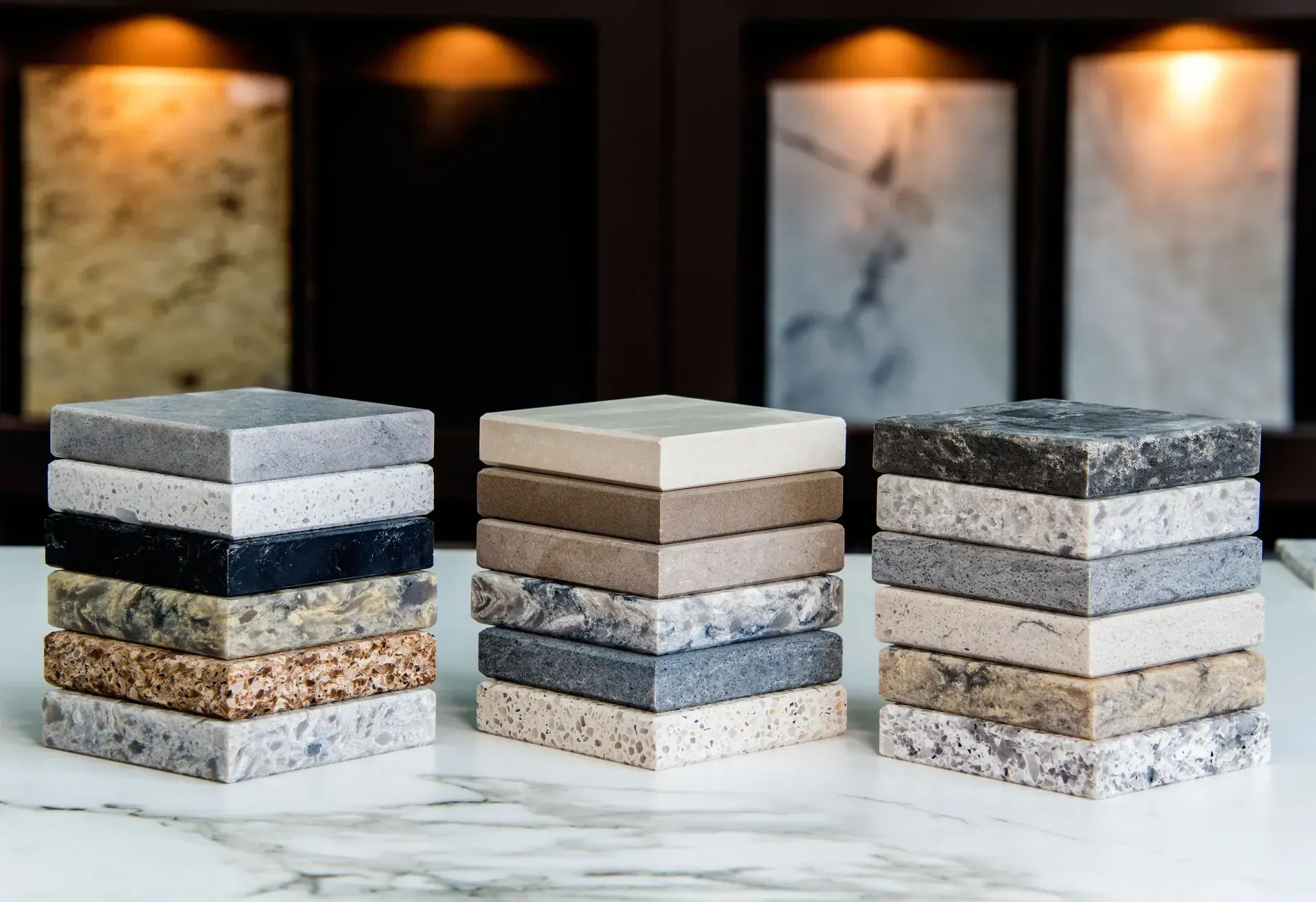
Granite's natural variations in patterns and colors make it a preferred choice for those seeking uniqueness. Each slab is like a work of art created over millions of years, with no two pieces being identical. These variations are the result of differing mineral compositions and the geological processes that formed the stone. This individuality allows homeowners to choose a slab that truly reflects their personal style and complements their home decor. Furthermore, these natural patterns can help conceal minor stains or scratches, enhancing the longevity and visual appeal of the countertop.
Durability and Longevity
One of the standout features of granite countertops is their incredible durability and longevity. Granite is renowned for its resistance to scratches, heat, and general wear and tear, making it ideal for high-traffic areas in kitchens and bathrooms. According to HomeGuide, granite countertops last over 100 years when installed and maintained correctly, offering a lifetime of use and value. This resilience makes it a far superior choice compared to other materials that may require frequent repairs or replacements. Homeowners can rest assured that investing in granite countertops means they are securing a robust solution for their home.
Comparison with Other Materials
When choosing a countertop material, comparing granite to other options like quartz, marble, and laminate is key. Granite edges out quartz in terms of its natural uniqueness, as quartz countertops are typically engineered and less variable in appearance. Although both marble and granite are natural stones, marble is softer, more prone to staining, and requires extensive maintenance. Laminate is the most affordable option but falls short in durability, scratch resistance, and overall lifespan. For those aiming to find a balance between beauty and durability, granite often wins out as the optimal choice.
Environmental Impact
The environmental impact of mining and producing granite is an important consideration for eco-conscious homeowners. Mining processes, while energy-intensive, have evolved to generate minimal waste and better efficiencies over time. Additionally, granite is a natural material requiring no chemical additives or treatments, which can reduce potential environmental harm. It's also worth noting that granite is durable enough to last more than a lifetime, potentially reducing the frequency of remodels and thus lowering its long-term ecological footprint. By choosing reputable manufacturers with sustainable practices, homeowners can mitigate some of the environmental impacts associated with granite.
Installation Process and Considerations
Choosing the Right Slab
Choosing the right slab is perhaps the most critical step in ensuring satisfaction with your granite countertops. Homeowners should consider both aesthetic qualities and functional needs when selecting a slab. It's advisable to visit stone yards to view a variety of patterns, colors, and finishes before making a decision. One must also consider the layout of the area being covered, ensuring the slab you choose will suit your space seamlessly. Consulting with a professional can provide valuable insights into how the different slabs will function and look in your specific environment..
Professional Installation vs. DIY
When it comes to installing granite countertops, homeowners must decide between hiring professionals or attempting a DIY approach. Professional installation generally ensures high-quality results and involves skilled labor, which can prevent potential errors that lead to costly repairs. Although a DIY installation may reduce initial costs, it requires significant expertise and tools to achieve the same outcome. Mistakes during installation can compromise the look and function of the countertops. Thus, most homeowners find that the investment in professional installation pays off in terms of durability and peace of mind.
Time and Cost Factors
The time and cost involved in installing granite countertops can vary based on several factors, including size, complexity, and location of the installation. On average, professional installation takes about one to two days, depending on the scale of work. Costs can range widely, considering the price of the slab itself, labor, and any additional customizations. While granite is a more expensive material compared to alternatives like laminate, its superior durability and lifespan justify the higher cost. Investing in granite may be more economical in the long run, as it reduces the need for frequent replacements due to wear.
Installation Challenges
Installation of granite countertops may present several challenges, such as managing the heavy weight of the material, ensuring precise cuts, and making clean fittings around features like sinks. One notable problem is fabricating accurate templates to ensure that cuts match the layouts and accommodate all fixtures appropriately. Transporting large, heavy slabs without causing damage is another significant challenge that professionals are well-equipped to handle. Additionally, installing granite requires attention to sealing seams seamlessly, where two slabs meet, to prevent future issues like moisture penetration. Addressing these challenges requires skilled professionals to ensure a flawless installation.
Maintenance and Care for Granite Countertops
Cleaning Tips and Techniques
Maintaining the pristine beauty of your granite countertops requires regular cleaning using proper techniques. It's advisable to use a mild soap or a granite-specific cleaner, avoiding harsh chemicals and abrasives that can damage the surface. Immediately wiping spills prevents staining, especially with acidic substances like wine and citrus juices. A soft cloth or sponge should be used for cleaning to avoid scratches. Consistent, gentle maintenance keeps your countertops looking new and helps them endure for generations.
Sealing Your Countertop
Sealing is an integral part of granite countertop maintenance. Granite is porous, meaning unsealed surfaces can absorb liquids, leading to stains. Depending on the quality of the granite and level of use, sealing should be performed regularly—typically once a year. Many granite sealants are user-friendly and can be applied by homeowners, though professional application ensures thorough coverage. Proper sealing not only preserves the countertop's aesthetic appeal but also extends its lifespan significantly.
Preventing Stains and Scratches
Preventing stains and scratches on granite countertops is primarily about using common-sense strategies. Always use cutting boards and trivets to avoid surface damage from knives or hot pans. Spills should be wiped up immediately with a soft cloth to avoid staining the porous surface. Regular sealing, as mentioned, also helps create a barrier against stains. Finally, choosing a granite pattern with natural variegation can help camouflage minor scratches or blemishes, maintaining the countertop's elegant appearance.
Common Repairs and Solutions
Despite its durability, occasional repairs might be needed to address issues such as chips, cracks, or stains on granite countertops. Small chips can often be fixed with epoxy or resin fillers, while surface cracks may require more intricate solutions like professional refinishing. It's crucial to address these issues promptly to prevent further damage. For stubborn stains, professional-grade cleaners or poultices may be necessary.
Granite countertops are a worthwhile investment for those seeking durability, aesthetic appeal, and a long-term addition that can enhance their home's value. By understanding the material, installation process, maintenance requirements, and potential drawbacks, homeowners can fully enjoy the benefits that granite countertops offer for years to come. If you're looking for new countertops, contact SWFL Stone Inc today.
Check out Our Recent Blogs